Explore how women in Singapore can access menopause specialists and utilize healthcare subsidies for menopause care.
Navigating Menopause Care in Singapore: Specialists and Subsidies

Quick answer: Navigating menopause care in Singapore involves understanding the symptoms of menopause, finding the right specialists, and utilizing healthcare subsidies. Specialist care is available through both public institutions like KK Women’s and Children’s Hospital and private options like Thomson Medical. Singapore’s healthcare system offers subsidies that can help ease the financial burden of specialist consultations.
Understanding Menopause Care in Singapore
Menopause is a natural phase in a woman’s life, typically occurring between the ages of 45 and 55. It marks the end of menstrual cycles and is often associated with symptoms like hot flushes, mood swings, weight changes, and fatigue. While these symptoms can be bothersome, they are considered a normal part of the transition, according to the Society for Women’s Health Research (SWHR).
In Singapore, menopause care is provided through both public and private healthcare sectors. Public institutions, such as the KK Women’s and Children’s Hospital and the National University Hospital (NUH), offer comprehensive menopause services. For instance, NUH’s Service for Women Across the Nation of Singapore (SWANS) provides specific care for menopausal women. Both these hospitals have specialists who work closely with patients to manage and alleviate menopause symptoms efficiently.
Healthcare specialists like gynecologists and endocrinologists play a crucial role in helping manage menopause symptoms. They offer advice and treatment options, both hormonal and non-hormonal, tailored to individual needs. Regular consultations can help women navigate this transition with the right support and guidance. It’s important to regularly consult with a GP or specialist to monitor health changes during menopause.
Accessing Menopause Specialists in Singapore
Finding a menopause specialist in Singapore’s healthcare system can be straightforward with the right information. Women can start by consulting their GP, who can assess their needs and refer them to a specialist. GPs serve as an entry point to specialist care, providing an overview of available options and assistance in making informed decisions about treatment approaches.
For those preferring public services, KK Women’s and Children’s Hospital and NUH are excellent options. These public institutions have dedicated menopause care services that include access to multi-disciplinary teams and advanced healthcare facilities. They cater to a wide range of healthcare needs for women experiencing various stages of menopause.
Alternatively, private healthcare providers like Thomson Medical also offer menopause care. Their services might give quicker access to specialist care and could involve a more tailored approach to managing symptoms. Visiting their website or using the hospital’s contact systems, such as appointment hotlines or online booking platforms, facilitates easy access to care.
Understanding the differences between public and private options is essential. Public hospitals may offer more affordable care due to subsidies, while private clinics might provide faster access and personalized options. Consider what’s most important to you—affordability or promptness and customization—when deciding where to seek care.
Utilizing Healthcare Subsidies for Menopause Care
The Singapore government provides various healthcare subsidies to make medical services more affordable. These subsidies are accessible to both citizens and Permanent Residents seeking menopause-related treatments in public healthcare settings. According to the Ministry of Health in Singapore, subsidies can significantly lower the cost of specialist consultations, allowing patients to benefit from reduced expenses in public hospitals MOH.
Eligibility for these subsidies generally depends on factors like citizenship status and income level. Patients can apply for subsidies at institutions like NUH, ensuring they meet specific criteria. Investigating the Ministry of Health’s website provides detailed information on the application process and eligibility requirements to minimize confusion and streamline access to financial aid. It is crucial to consult healthcare providers within these institutions to confirm eligibility for financial assistance under these schemes.
Utilizing these subsidies can lessen the financial burden of menopause care. As one member of a menopause community shared, “Understanding available subsidies helped ease the financial strain of specialist visits.” This perspective emphasizes the impact of subsidies on making healthcare more accessible and affordable for those experiencing menopause in Singapore.
Community Insights: Lived Experiences Seeking Menopause Care
Women in menopause communities often share insights and experiences that can be invaluable. For many, navigating the system begins with finding the right specialist. One member of a menopause support group remarked, “Navigating the healthcare system for menopause can be daunting, but finding the right specialist has made all the difference.” This sentiment resonates with women globally, including those in Singapore, highlighting the universal challenges of securing adequate care during menopause.
Practical tips from these communities include being proactive about healthcare, staying informed about available services, and reaching out to support networks. Such advice can make the journey smoother and less overwhelming. Women are encouraged to actively engage with available resources, imparting a sense of empowerment and control over their health and well-being.
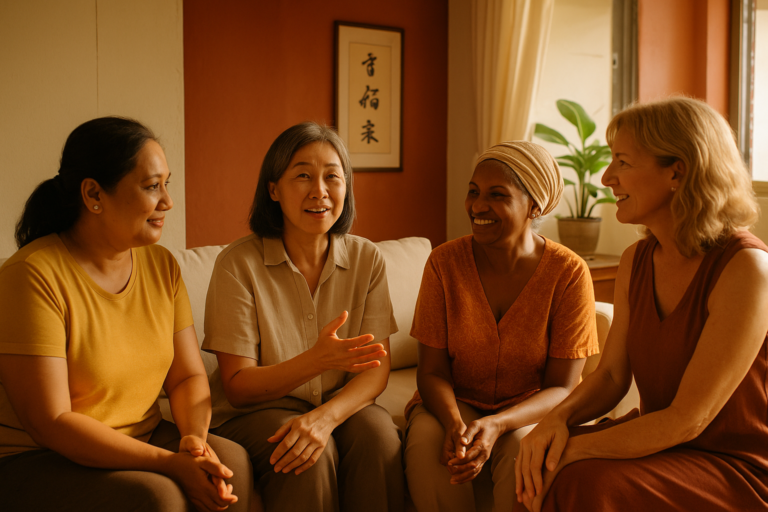
Moreover, some women find it beneficial to join local support groups. These groups offer a safe space to share experiences, gain support, and learn from others facing similar challenges. This community-based approach can be a vital part of menopause care, contributing to both emotional and physical well-being. Building a support network reinforces the notion that one is not alone in facing the complexities of menopause.
Finding the Right Specialist for You
To find a suitable menopause specialist, consider what aspects of care are most important. If experiencing severe symptoms, a gynecologist with a focus on menopause might be ideal. For those interested in exploring non-hormonal treatments, an endocrinologist could offer useful insights. It is essential to discuss your symptoms, concerns, and preferences openly with your GP or specialist, who can tailor the treatment approach accordingly. The HealthHub, Singapore’s health resource, suggests considering multiple factors when selecting a specialist HealthHub.
A comprehensive consultation typically involves discussing lifestyle choices, potential benefits and risks of different treatments, and any personal health concerns. Always remember to listen to your body and seek a second opinion if necessary. Having a good rapport with your healthcare provider ensures effective communication and better healthcare outcomes. Building a relationship based on trust is vital to ensure informed decision-making throughout the menopause transition.
Making the Most of Your Healthcare Journey
Engaging with Singapore’s healthcare system can be your first step towards empowered menopause care. Embrace educational resources, keep abreast of updates in menopause research, and connect with supportive communities. This multifaceted approach not only equips you with knowledge but also provides companionship through shared experiences. Remaining informed entails reviewing credible sources, such as articles and studies from reputed organizations, that furnish the latest developments in menopause care.
Remember, while menopause is a shared journey, every woman’s experience is unique. Tailoring menopause care to fit your personal needs enhances well-being during this phase. The journey is individual, necessitating personalized management plans and self-advocacy in informing healthcare choices. Explore more about what menopause care can look like for you by browsing Yellow’s practitioner directory, where you can find menopause-informed care. For a directed start, consult practitioners from Yellow’s directory here.
Sources
- KKH New Menopause Centre
- NUH SWANS Program
- Thomson Medical Menopause Specialists
- Singapore Ministry of Health Subsidies
- NUH SWANS Program
This article is for general information only and is not medical advice. Every woman’s situation is different, so please talk to your GP or a qualified menopause specialist about what is right for you.