Discover practical tips for accessing menopause support across countries, focusing on specialists, care amenities, and subsidy schemes.
Navigating Menopause Support Internationally
Quick answer: Navigating menopause support internationally can be a challenge due to varying healthcare systems and resources. Key steps include understanding local health structures, connecting with community groups, and researching subsidies. Familiarising yourself with the healthcare in your new country, seeking local advice, and accessing directories can greatly assist.
Understanding Menopause Support Systems Globally
Menopause is a universal experience, yet the support systems available vary significantly around the world. Different countries have unique healthcare structures, influencing how menopause care is provided. In some places, such as the UK and Australia, national health services offer comprehensive menopause support according to the National Health Service (NHS) in the UK, which includes access to hormone replacement therapy (HRT) and counseling services for menopausal symptoms.
In contrast, accessing specialised care may be more challenging in countries without robust public health services. For example, in the United States, where private insurance often dictates healthcare accessibility, women might find the support less centralized unless they are part of specific health insurance plans that cover such treatments.
Key differences also exist in how menopause care is approached due to varying cultural attitudes. For instance, in Germany, the Bundeszentrale für gesundheitliche Aufklärung (BZgA) emphasizes integrating traditional and alternative medicine, which might reflect local cultural beliefs as noted in various German health guides. Similarly, in Japan, menopause management often includes traditional Japanese Kampo medicine, focusing on holistic health as reported by the Japanese Society of Obstetrics and Gynecology.
Understanding these differences is crucial for any woman seeking care abroad. Being informed about local menopause resources can make a significant difference in the quality of care you receive and in feeling supported during this transition. It’s advisable to consult with local healthcare professionals who understand the nuances of these systems.
Accessing Menopause Care Abroad
Finding menopause specialists in a foreign country can initially seem daunting, but a few strategies can ease the process. Start by researching the healthcare system of your new country. Familiarise yourself with whether healthcare is public, private, or a combination of both. This can help you locate services more efficiently. According to the International Expat Health Insurance Guide, understanding these basics can significantly impact your ability to access necessary services.
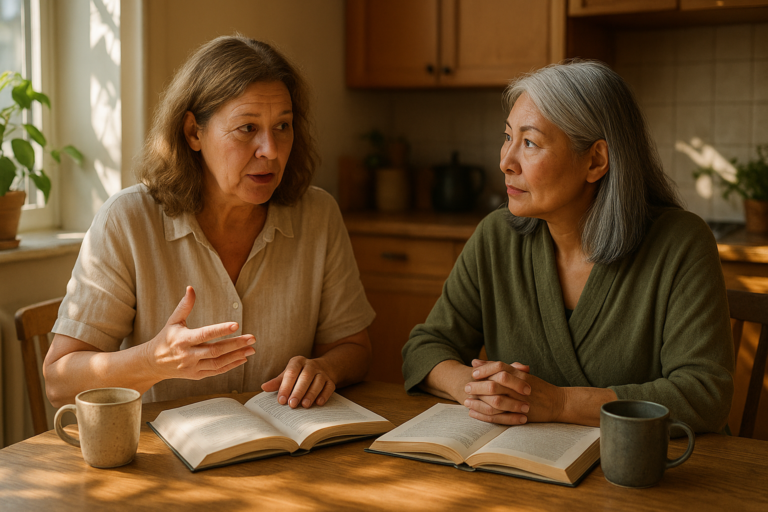
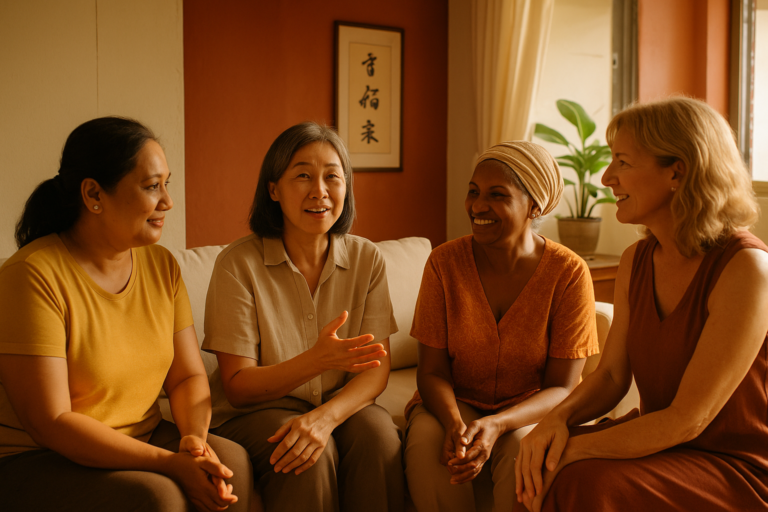
Expats are often advised to connect with local community groups. “It’s vital to connect with local groups; they often have the best insights on healthcare access,” as one member of an Irish menopause community put it. These groups can provide first-hand advice and support networks that are invaluable. For example, expats in France often turn to associations like “Expatica” or country-specific expat forums for advice.
Additionally, leveraging online directories and forums can identify specialists and clinics within your area. Websites like Healthline and WebMD often list specific providers, and expat forums like Expat Exchange can be rich resources for reviews and recommendations.
Utilizing Local Subsidies and Care Amenities
Researching available healthcare subsidies for menopause treatments is an essential step in accessing affordable care. According to the Australian Institute of Health and Welfare, Australia’s Medicare provides rebates for doctor consultations and prescriptions, which can significantly reduce costs for menopause treatments. This type of subsidy system is integral in ensuring access to affordable healthcare.
Other countries, like Canada, offer provincial health insurance plans that may cover aspects of menopause care, although coverage can vary by province. Understanding how to apply for and utilise these schemes effectively can be facilitated by contacting local healthcare authorities or expat community councils, which often have updated information and resources.
NGOs often offer helplines or support services specifically for menopause care. For example, organizations such as the Women’s Health Foundation often provide comprehensive guides on navigating healthcare systems that include steps on how to access available resources.
Community Experiences and Advice
Real-life experiences often offer the most practical insights when navigating menopause care abroad. Women across various countries have shared tips that can make the transition smoother. For example, a popular recommendation is to establish a local support network upon arriving. As one community member shared, “Finding a menopause specialist while living abroad can be daunting, but it’s all about understanding the local healthcare system.”
Practical tips from women in diverse locales include always having a list of local emergency contacts, keeping copies of your medical records, and setting up an initial consultation with a general practitioner to discuss local treatment options. These steps can provide peace of mind and a clearer understanding of navigating healthcare systems in a new environment.
Connecting with others and sharing experiences is not only therapeutic but can open doors to unexpected resources and solutions. In every country, building a community around you is a key component of successful menopause care. Online platforms like Reddit and Facebook groups dedicated to expat women can provide real-time advice and connections that might not be available through official channels.
FAQs About Accessing Menopause Support Abroad
How do I find a menopause specialist in a new country? Start by leveraging online directories, contacting local support groups, and familiarising yourself with the healthcare system of the country. Local expat communities can also be a valuable resource for networking and obtaining recommendations.
What support is available for menopause care subsidies? Researching government and NGO support schemes is crucial. Many countries provide healthcare subsidies, which can include consultations and treatments for menopause symptoms. Identify the relevant local body for healthcare subsidies to explore available options.
How can I connect with local menopause support groups? Look for online forums and social media groups relevant to your area. Expat communities often have dedicated groups where you can share experiences and seek advice. Local health clinics may also provide information on support groups and community resources.
What are some tips for understanding a new healthcare system? Begin by researching the structure and accessibility of healthcare in your new country. Understanding whether it is a public or private system will help you navigate available services. Consulting a local GP can also provide insights into how to access specialised menopause care.
For those embarking on the challenging yet empowering journey of menopause abroad, remember that resources and support networks are available—all it takes is a bit of research and reaching out. To connect with menopause-informed care providers worldwide, Browse the practitioner directory.
This article is for general information only and is not medical advice. Every woman’s situation is different, so please talk to your GP or a qualified menopause specialist about what is right for you.