Explore menopause care practices worldwide. Learn about global healthcare options, support systems, and how to access specialized menopause care.
Menopause Care Options Globally: A Comprehensive Guide
Understanding Menopause Care: Global Perspectives
Menopause is a universal experience, yet menopause care can vary drastically depending on where you are in the world. This difference stems from cultural beliefs, healthcare infrastructure, and available resources. Understanding these variations can aid in making informed decisions about your care, regardless of your location.
Cultural interpretations of menopause significantly influence care practices. For instance, in some cultures, menopause is celebrated as a rite of passage marking a new phase of life. In others, it is more medicalised. It’s crucial to be aware of these cultural nuances as they can affect both the availability and the type of support systems preferred and accessible to women.
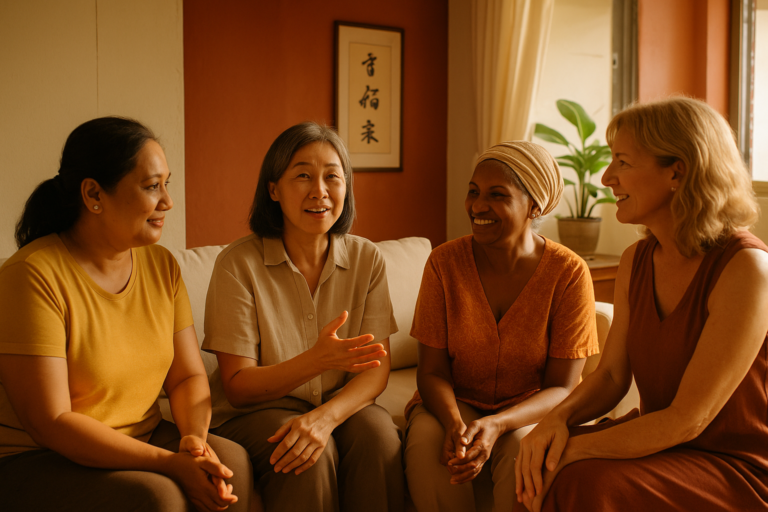
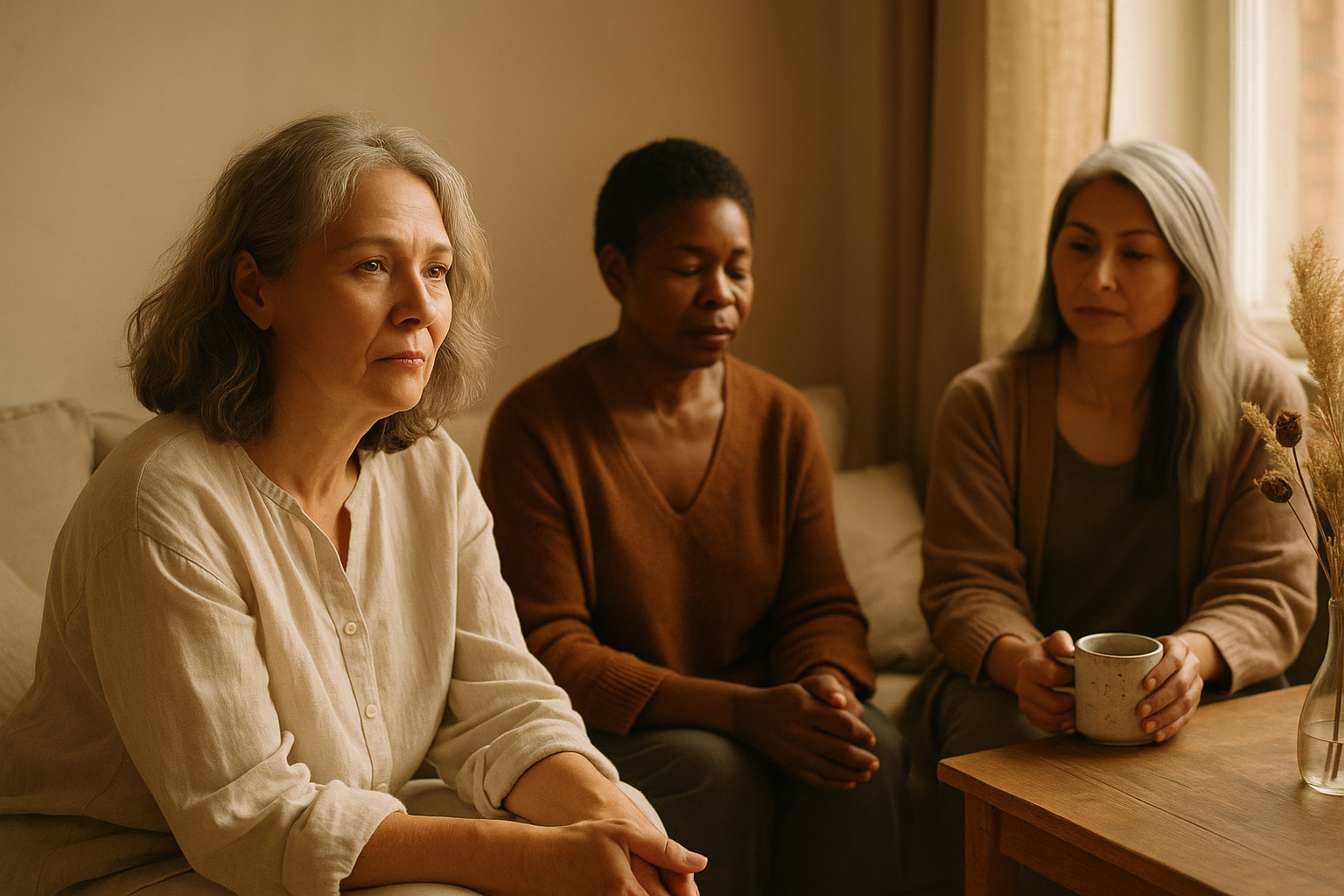
While menopause is a personal journey, having the right support system is essential. Whether it’s through local healthcare providers, community support groups, or online forums, finding a network that understands the complexities of menopause can make a tremendous difference.
Region-Specific Menopause Care Practices
In Europe, menopause care often involves a comprehensive approach, with access to specialist menopause clinics and a variety of treatments, including hormone replacement therapy (HRT). According to The European Menopause and Andropause Society, Europe has numerous clinics dedicated to menopause care, offering tailored advice and treatment options.
Across Asia, traditional medicine plays a significant role. A participant from a global menopause forum noted, “In many Asian countries, traditional medicine plays a large role in menopause treatment.” Practices like Kampo in Japan integrate a holistic approach, focusing not just on physical symptoms but also on emotional wellbeing. This is supported by various studies highlighted by the Japan Society for Oriental Medicine.
North America generally offers a mix of conventional and complementary therapies. The cultural emphasis on wellness has seen an increase in integrative practices, incorporating everything from lifestyle changes to herbal supplements. These observations have been supported by research published by the North American Menopause Society, emphasizing variations influenced by healthcare coverage.
Despite these differences, common themes do emerge. Across continents, there is a growing understanding that menopause management is not ‘one-size-fits-all.’ Approaches are highly personalised, recognising the unique needs of each individual.
Finding the Right Menopause Care Specialist
Securing menopause-specific care begins with accessing informed specialists. Navigating different healthcare structures is key. Start by researching local healthcare systems to identify potential specialists, whether in private practice or within healthcare organisations.
One member of an Irish menopause community put it succinctly: “It’s crucial to find a doctor who understands menopause beyond just prescribing hormones.” Look for specialists with comprehensive training in menopause and related health issues.
Online resources, such as directories, can aid in finding specialists globally. Joining local and global online menopause communities may also provide recommendations based on personal experiences. These groups offer valuable insight and often highlight lesser-known, yet effective, care options.
Remember that the right specialist will consider your individual symptoms, lifestyle, and preferences in developing a care plan. If menopause symptoms are significantly affecting your quality of life, discussing options with a menopause-informed specialist is highly advisable.
FAQ
How do Japanese treat menopause?
Japanese traditional medicine, such as Kampo, is integrated into menopause care. Kampo treatments often address menopause symptoms by considering the whole person, integrating both physical and emotional wellness. Consult with a healthcare provider familiar with these practices if you’re interested in this approach.
What is the best holistic approach to menopause?
The best holistic approach to menopause can vary greatly. It often includes a combination of approaches tailored to the individual’s needs, which may encompass diet, exercise, stress management, and alternative therapies. What works for one person might not suit another, so it’s important to consider personal and cultural preferences.
Discover menopause-specialized healthcare providers around the world. Browse the practitioner directory to find the support you need.
This article is for general information only and is not medical advice. Every woman’s situation is different, so please talk to your GP or a qualified menopause specialist about what is right for you.